Your cart is currently empty!
Mobile platform vs App Review at Winny Casino for Netherlands
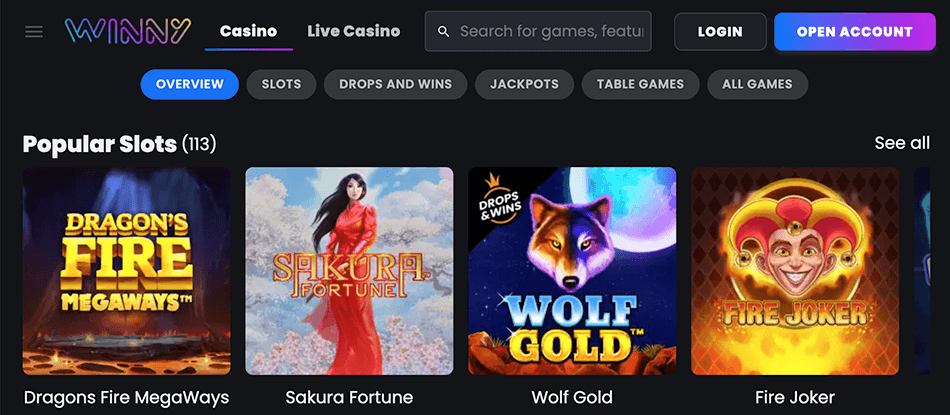
Players across the Netherlands have an thrilling option at Winny Casino, where two similarly refined portals offer top-tier gaming immediately https://winny.com.nl. The mobile site opens directly in a browser with no storage requirements, offering immediate access that feels weightless and continuously refreshed. In contrast, a native application promises deeper hardware integration, a persistent home-screen status, and a smooth performance that can convert casual sessions into a true ritual. Neither platform is inherently superior for every scenario, and that is exactly why the casino offers both at the highest level for Dutch enthusiasts. This comparison examines every important angle, from installation friction and speed to game catalogue parity, data consumption, and account security, aiding each player decide which platform suits their lifestyle and device habits most easily.
Ease of Access and Deployment Process
The entry experience diverges starkly between moments of entry and a single download that benefits over months. The mobile site demands no installation whatsoever; a player in Amsterdam simply opens a browser, enters the address, and watches the full game lobby show up instantly with vibrant tiles and zero storage footprint. This seamless approach satisfies those who juggle multiple devices or want a quick session without leaving a digital trail. The dedicated application, meanwhile, requires for a small two-minute setup downloaded directly from the official website with clear instructions that bypass regional app-store hurdles. Once installed, the icon turns into a permanent portal that strengthens habit and erases the tiny cognitive load of re-entering a URL. Both paths respect the Dutch love for clean, minimalist interfaces, and the app’s upfront time investment rapidly diminishes into seamless daily convenience.
Library Availability and Game Selection
Consistency of Slots and Table Games
Winny Casino has engineered near-perfect library parity so that Dutch players see identical colourful grids of slots and table classics whether they use the app or a browser bookmark. Modern HTML5 titles from providers like NetEnt and Pragmatic Play render perfectly in both environments, with the same crisp visuals, rousing audio, and certified random number generator logic. A handful of legacy titles that predate the universal switch to HTML5 can occasionally behave a bit differently due to browser security restrictions blocking older scripts. In these edge cases, the native application gracefully pre-packages compatibility layers, ensuring those deep-cut classics run without a hitch. For the overwhelming majority of releases, the experience is virtually identical, right down to the search filters and bonus mechanics, so players can switch platforms without ever feeling short-changed.
Dynamics of Live Casino Streaming
Live dealer tables represent the most bandwidth-sensitive vertical, and here the app’s engineering stands out with subtly lower latency and rock-solid stream stability. The native video pipeline talks directly to the media decoder, shaving fractions of a second off the dealer’s action and creating a tangible sense of real-time presence during fast-paced multi-table rounds. Players commuting through the Netherlands’ tunnel-heavy train routes will also appreciate the app’s aggressive buffer management, which prevents freeze-frames during network handovers. The mobile site, while extremely capable, operates inside a browser that shares resources with other tabs, occasionally causing adaptive bitrate dips under heavy load. Both platforms support the live chat and emoji reactions with identical fluency, so the social atmosphere remains intact, but the app delivers the most crystalline, delay-free broadcast for enthusiasts who treat live casino as their main stage.
Push Messages and User Interaction Features
The dedicated app transforms Winny Casino from a web destination into a partner that consistently keeps Dutch players informed. Comprehensive push messages arrive on the lock screen with announcements of latest game additions, personalized bonus codes, and competition commencement notices, all adjusted through detailed consent controls so nothing feels intrusive. The mobile site, by contrast, relies entirely on email digests and the player’s own memory to come back, meaning a weekend free-spins campaign might vanish unopened in an overflowing inbox. The app’s presence turns casual play into an committed pattern, yet every alert can be switched off, returning to the same unobtrusive, non-intrusive experience that the browser delivers by default. This subtle layer of timely nudges, when embraced, makes the app feel like a personal gaming concierge rather than a marketer.
Protection and Profile Protection
Both platforms apply bank-grade encryption, but the layers vary in how they protect the device itself. The mobile site functions entirely over HTTPS with perfect forward secrecy and depends on sandboxed session tokens that end automatically, while taking advantage of the continuous security patches provided by browser vendors. This inherited shield ensures a zero-day fix in Chrome instantly fortifies the connection without any casino-side update. The native application introduces hardware-binding through fingerprint and facial recognition login, facilitating a sub-second, ultra-secure entry that the mobile browser is unable to match with the same depth. It also applies certificate pinning, so even a compromised local network is unable to impersonate the server, and its isolated environment stops malicious extensions from spying on deposit flows. Both maintain the same two-factor authentication and AI-driven fraud monitoring, but the app’s capacity to tie trust directly to the device gives a tangible advantage for high-balance players.
Speed and Velocity Optimization
Raw loading speed and in-game fluidity reveal a fascinating trade-off between browser-based caching bleacherreport.com and natively compiled muscle. The mobile site utilizes progressive web techniques that cache critical assets after the first visit, making subsequent loads visibly snappier, yet it stays confined within a browser sandbox that cannot fully harness the device’s graphics processor. This occasionally introduces micro-stutters in visually intense 3D slots on older Android handsets. The native application, by contrast, communicates directly to the hardware, harnessing GPU acceleration and multi-threading that browsers simply cannot rival. Slot reels spin with silky smoothness, live streams start without loading bars because the app preloads engines in the background, and the entire experience feels like a dedicated gaming console. The one compromise is that the app demands manual updates, whereas the mobile site refreshes its code seamlessly in the background every time it is opened.
Data Storage and Usage Management
Bandwidth Usage Metrics
The two platforms use divergent tactics that cater to different data habits. The mobile site loads game assets only when needed and removes them after the session, keeping a single visit lightweight but forcing a complete re-download of the interface on every fresh launch. For players who visit daily for short bursts, this repeated reloading can steadily add up more monthly megabytes than expected. The native application pre-loads a larger initial download, then stores high-resolution textures and game shells permanently on the device, so subsequent play sessions sip only a tiny trickle of data for live state updates. Over weeks and months, the app almost always turns out to be the more data-frugal choice for frequent players, turning a variable streaming cost into a fixed, one-time storage investment that sits comfortably on modern smartphones.
Influence on Device Performance
Beyond simple megabytes, the way each platform controls RAM and battery life is important during extended play. The native app freezes its state instantly when a player navigates away to check a message, keeping the exact game position without draining CPU cycles, and it operates as a media-optimized process that cuts frame rates on static lobby screens to save battery. The mobile site provides zero permanent storage, making it a hero for older tablets with bursting internal memory, and it releases RAM the moment the tab closes. However, operating a complex casino inside a browser alongside other open tabs can still burden budget hardware, leading to system-wide slowdowns. For the average modern mid-range device, neither path creates noticeable lag, but the app’s smarter thermal management gives it a slight stamina edge during multi-hour marathon sessions.
Netherlands Market Adaptations and Local Preferences
Winny Casino’s dual-platform approach completely embraces the Dutch market through flawless iDEAL integration and local regulatory compliance regardless of access method. Both the mobile site and the app present the interface in flawless Dutch, with all terms, bonus explanations, and support chat flowing in the native language without stilted machine translations. Deposits via iDEAL operate in the same way, though the app can exploit native deep-linking to accelerate bank authentication screens by a heartbeat. The platform adheres rigorously to Kansspelautoriteit guidelines on responsible gaming, with session timers and reality checks built prominently into both experiences. Players can switch between the mobile site and the app while preserving the same account limits, loyalty tier progress, and personalized game recommendations, ensuring that the choice of platform never splits the relationship with the casino.
Leave a Reply